


When Deals Get Weird: Handling Non-Standard Transactions in Escrow
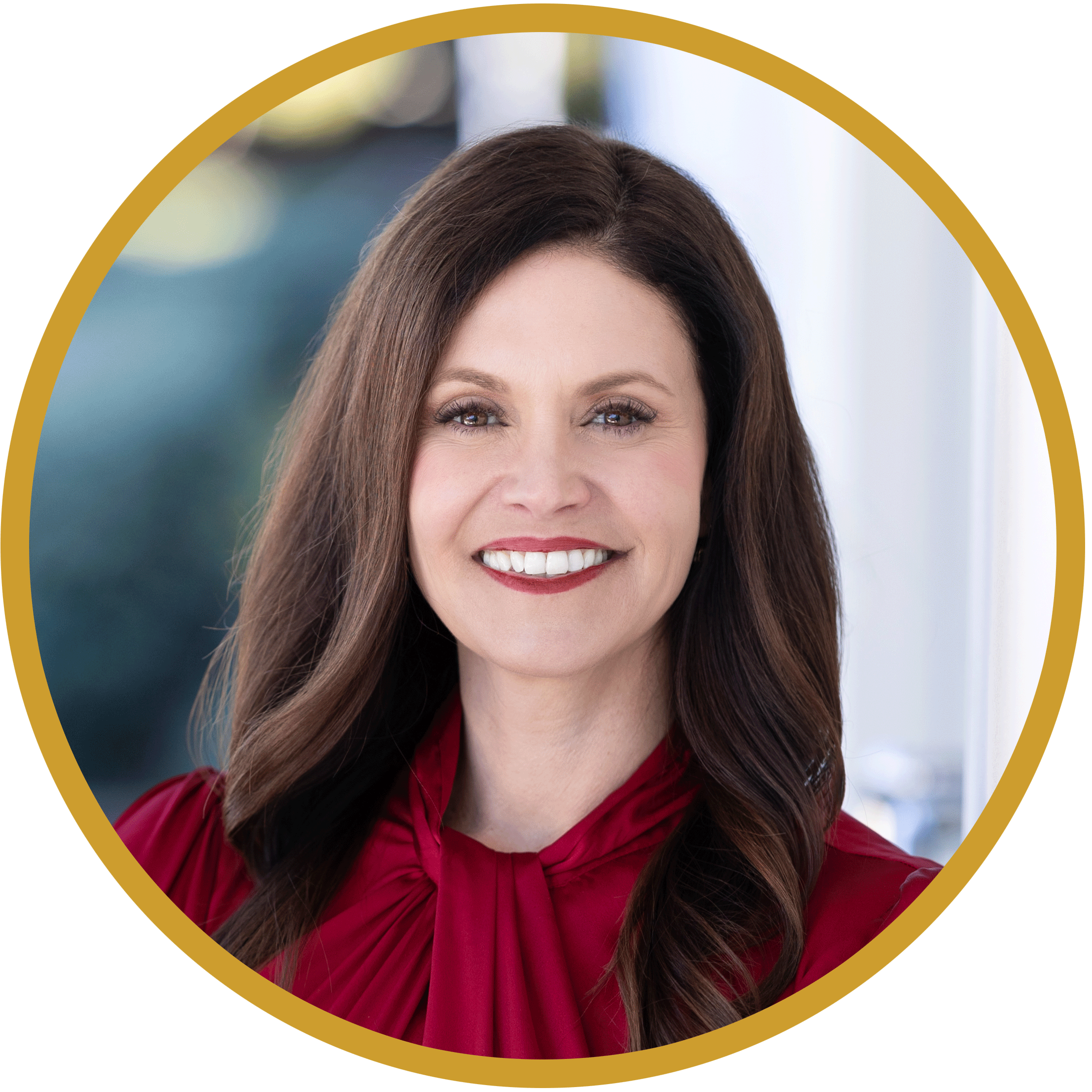
Jennifer Davidson,
Owner | Office Manager | Senior Escrow Officer
Most escrow transactions follow a familiar shape: buyer, seller, a lender, a straightforward closing date. Then there are the ones that don't.
Contingent sales, rent-back agreements, private or seller financing, 1031 exchanges layered onto a purchase — these structures aren't rare in South Orange County, especially among move-up buyers and investors. But they each add a layer of complexity that a standard timeline doesn't account for.
A contingent sale means the buyer's ability to close depends on selling their current home first — so the timeline isn't really in anyone's direct control. A rent-back means the seller stays in the home after closing, which changes how possession, insurance, and final walkthrough are handled. Private or seller financing removes a traditional lender from the equation entirely, which changes what documentation escrow needs and when.
None of these are harder to close. They're just different, and treating them like a standard 30-day escrow creates avoidable friction.
The risk isn't the structure itself — it's when the structure's specific requirements get treated as an afterthought instead of built into the contract from day one.
The fix is the same in every case: identify the structure early, and build the timeline around its specific requirements instead of a generic one.
The earlier escrow knows what kind of deal it is, the better the timeline can be built.
Verbal agreements about rent-back rates or financing terms create disputes later. Put it in writing.
1031 exchanges and private financing both benefit from expert involvement from the start, not partway through.
Buyers and sellers should understand exactly why their timeline looks different from a standard sale.
Non-standard deals have more moving parts — more frequent check-ins keep everyone aligned.
A non-standard transaction isn't a red flag. It's a different kind of deal that needs a different kind of plan.
Agents who flag the structure early — and build the timeline around it — turn what could be a complicated closing into just another Tuesday.
Subject line: Contingent sale? Rent-back? Private financing? Here's how escrow handles it
Not every South Orange County transaction fits the standard template. This week's Prosper Insight covers how to keep escrow on track when the deal structure itself is the complication.
We break down:
A different structure just needs a different plan — not a harder one.
Contingent sales. Rent-backs. Seller carrybacks. 1031 exchanges. Not every South Orange County deal fits the standard 30-day template.
This week's Prosper Insight breaks down how to keep escrow on track when the transaction structure itself — not the market — is the complicating factor.
#SouthOrangeCounty #EscrowTips #ProsperInsights #RealEstate #1031Exchange
🔀 When your deal doesn't fit the standard template.
This week's Prosper Insight covers:
✔ The non-standard structures we're seeing most
✔ Where these deals actually go sideways
✔ How to set them up to close smoothly
#ProsperInsights #OCRealEstate #EscrowTips #SouthOC
About the Author
Jennifer Davidson, Sr. Escrow Officer and owner of Prosper Escrow, has spent nearly two decades mastering the art of escrow. Since beginning her career in 2006, her natural talent, attention to detail, and commitment to excellence have made her a trusted leader in residential sales, refinances, probate sales, short sales, mobile home transactions, and co-ops.