


Insurance Delays & Escrow: What Agents Must Prepare for This Spring
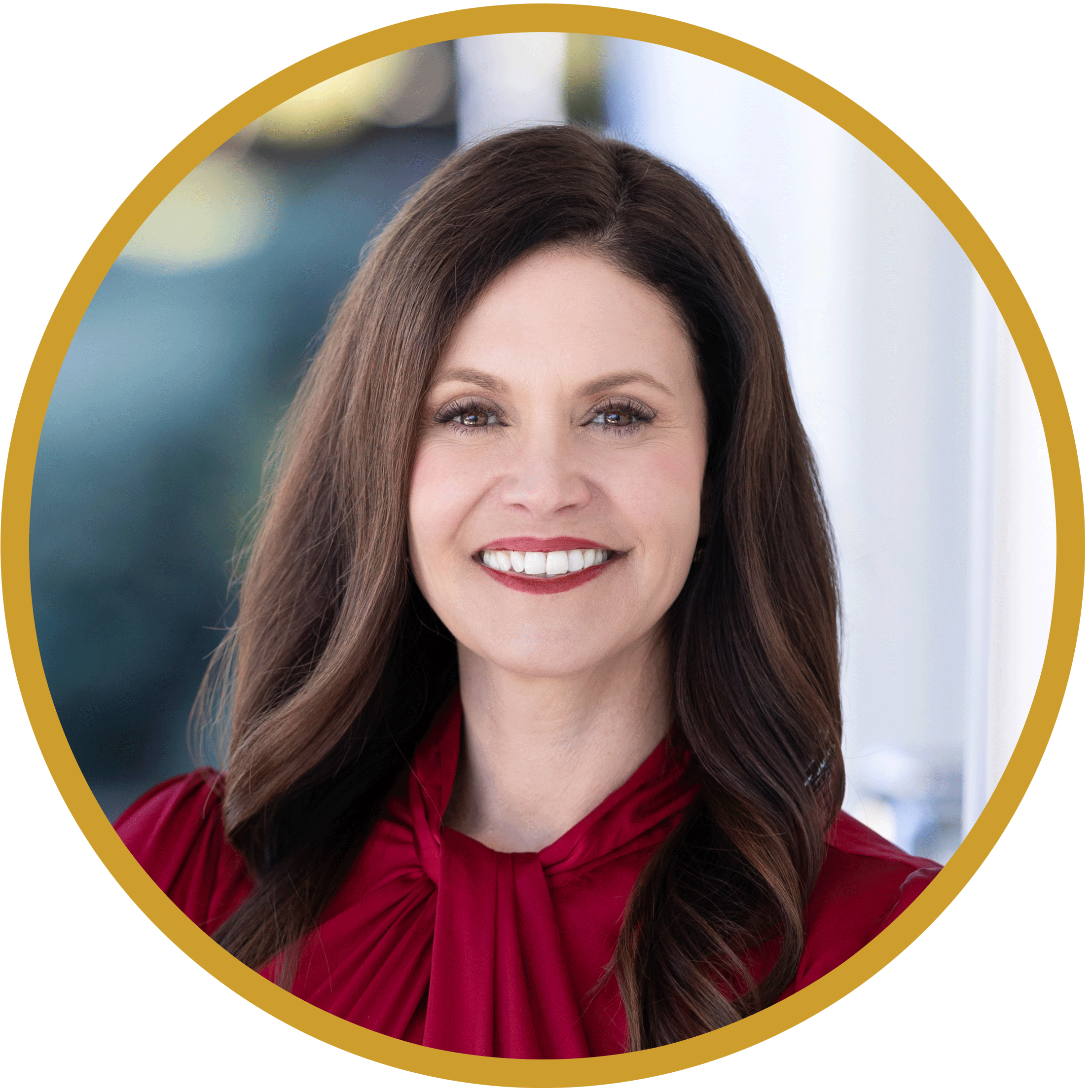
Jennifer Davidson,
Owner | Office Manager | Senior Escrow Officer
If you’ve closed real estate in California over the past year, you’ve felt it.
A file is moving smoothly. Inspections are done. Appraisal clears. Loan approval looks solid.
Then everything stalls.
The issue?
Insurance.
What used to be a routine checkbox in the transaction has become one of the most unpredictable pressure points in escrow — especially in Southern California.
As we head into the 2026 spring market, agents who don’t proactively manage insurance conversations risk last-minute delays, frustrated clients, and blown timelines.
Let’s break down what’s happening — and what to do about it.
Several forces are converging:
After repeated wildfire seasons and mounting claims, many carriers have:
This has forced many buyers into:
Each option comes with longer processing timelines.
Insurance companies are scrutinizing:
What used to take 24–48 hours for approval can now take a week or more — sometimes with property inspections required before binding.
Here’s the critical escrow impact:
Lenders will not release loan funds without proof of acceptable insurance coverage.
If the policy is delayed, incomplete, or flagged for underwriting review:
Funding stalls.
Escrow cannot close.
Escrow doesn’t control insurance — but we feel the timing pressure.
Here’s how insurance delays typically impact escrow:
And often, this happens 48 hours before scheduled closing.
As inventory slowly increases heading into spring, we’re seeing:
But insurance approval timelines have not shortened.
This mismatch is creating risk.
If you’re running a 21-day escrow but insurance underwriting takes 10–14 days, you’ve compressed your margin dramatically.
Here’s the proactive playbook.
Not during escrow.
Not after inspections.
On Day 1.
When the offer is accepted, advise buyers to:
If your buyer is house hunting in fire-adjacent areas:
Have them speak with an insurance broker before submitting offers.
Knowing coverage limitations ahead of time reduces surprises.
If the property is in a high-risk zone:
Ask directly:
This prevents last-minute scrambling.
Sellers need to understand this isn’t buyer negligence — it’s systemic underwriting tightening.
Proactive communication reduces blame and panic.
If the buyer cannot secure acceptable insurance:
Escrow can only move as fast as insurance approval allows.
When delays happen late in the file, clients rarely differentiate the source.
They remember stress.
They remember confusion.
They remember whether you anticipated the issue — or reacted to it.
Agents who proactively manage insurance conversations stand out as calm, prepared professionals.
Insurance is no longer a background detail in California transactions.
It is a primary timing variable.
As we move into the spring 2026 market, agents who:
Will close more smoothly — and with less drama.
At Prosper Escrow, we’re seeing this shift firsthand. Our goal is to support agents with clear communication and timeline awareness so that insurance delays don’t derail otherwise strong transactions.
Because in today’s market, preparation isn’t optional.
It’s strategic.
About the Author
Jennifer Davidson, Sr. Escrow Officer and owner of Prosper Escrow, has spent nearly two decades mastering the art of escrow. Since beginning her career in 2006, her natural talent, attention to detail, and commitment to excellence have made her a trusted leader in residential sales, refinances, probate sales, short sales, mobile home transactions, and co-ops.